




Ken Ganley Chrysler Dodge Jeep Ram Mentor

Blog

Maximizing Fuel Efficiency in Your Fiat: Expert Tips

Owning a Fiat is not only about enjoying a stylish and compact vehicle, but also about maximizing its fuel efficiency. With rising fuel costs and increasing environmental concerns, optimizing how your Fiat consumes fuel is more important than ever. Here’s how you can get the most out of every gallon while driving your Fiat, whether it's a classic Fiat 500 or the latest 2024 model. 

Understanding Your Fiat’s Fuel Efficiency 

Fuel efficiency in your Fiat is influenced by various factors, including the vehicle’s weight, engine type, driving habits, and maintenance routines. Additionally, your Fiat’s aerodynamics, tire condition, and even the type of fuel you use can play a role in how efficiently it consumes fuel. For instance, the Fiat 500’s compact design inherently supports fuel efficiency by reducing drag, but external factors like wind resistance and road conditions can still impact performance. Ensuring that windows are closed at high speeds and avoiding roof racks or other external accessories that disrupt aerodynamics can help maintain optimal efficiency. 

Click Here to Get Directions to Our Dealership and visit us today.

Moreover, seasonal variations, such as driving in cold weather or on hilly terrains, can cause your Fiat to use more fuel, as the engine works harder to compensate. By understanding these influences, it allows you to better manage your vehicle’s performance. Paying attention to dashboard indicators like the ECO driving mode can also provide real-time feedback, encouraging you to adopt more fuel-efficient driving habits. 

Regular Maintenance: The Foundation of Fuel Efficiency 

Beyond the basics, it's also important to pay attention to less obvious maintenance tasks that can significantly impact fuel economy. For instance, keeping your vehicle’s alignment in check not only enhances your driving comfort, but also prevents uneven tire wear, which can increase rolling resistance and decrease fuel efficiency. Regularly checking and replacing your engine's oxygen sensors, which play a critical role in monitoring and adjusting the air-fuel mixture, can also contribute to optimal combustion and improved mileage. To ensure your Fiat operates at peak efficiency, regular maintenance is essential. 

Periodic use of fuel system cleaners can help remove deposits from injectors and valves, ensuring smooth fuel flow and better engine performance. Another often-missed step is inspecting and replacing your car's battery when necessary. A weak battery can cause the alternator to work harder, leading to increased fuel consumption. By taking a holistic approach to your Fiat’s upkeep, you not only maintain its reliability and performance, but also consistently get the most out of every drive. 
Driving Habits that Improve Fuel Efficiency 

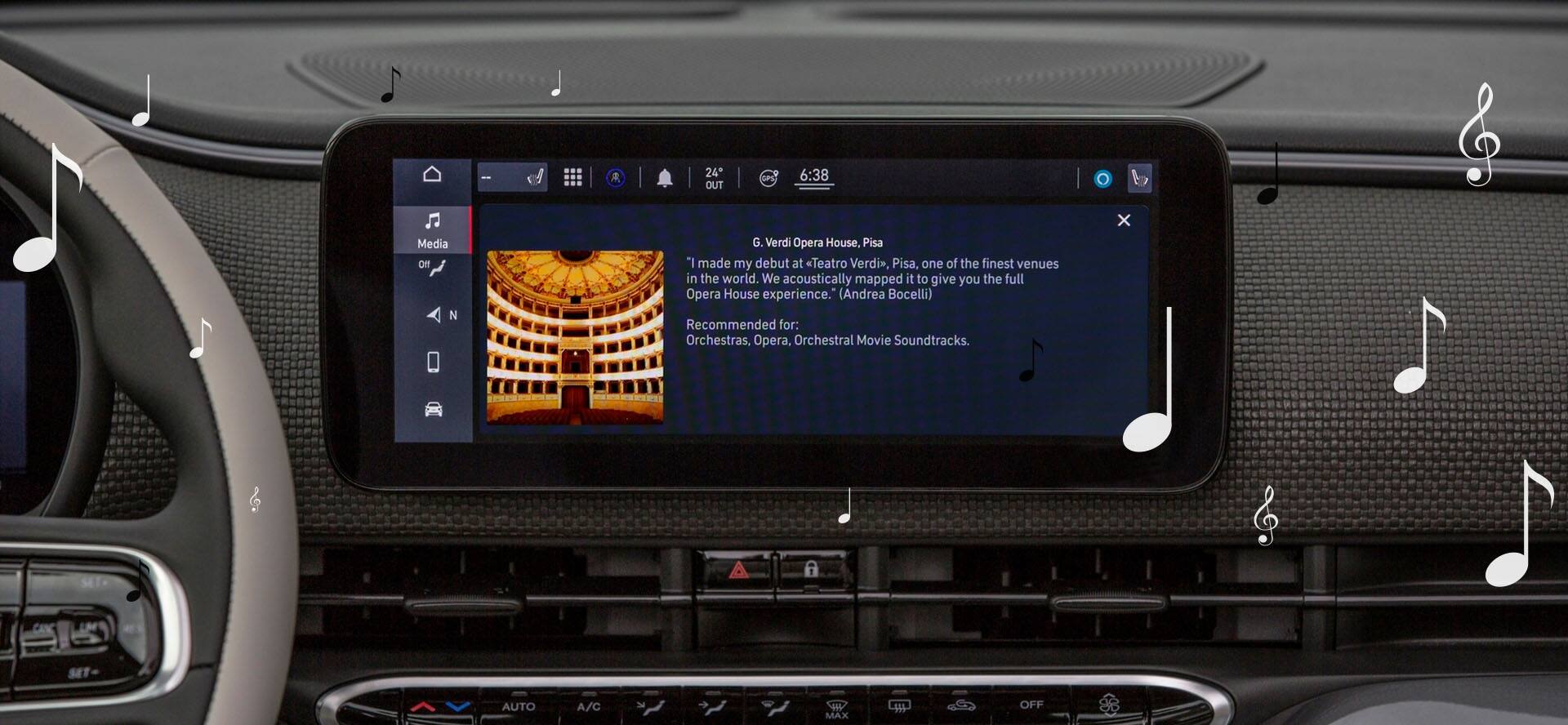
Your driving style plays a significant role in your vehicle's fuel consumption. In addition to smooth acceleration and braking, avoiding aggressive driving behaviors, such as rapid lane changes and racing between stoplights, can save a substantial amount of fuel. It's not only about speed, it’s how you handle your fiat in various driving conditions, which also matters. For example, coasting to a stop rather than braking abruptly can conserve momentum and reduce wear on your brakes, further contributing to overall fuel efficiency. 

Another tip is to limit the use of air conditioning, especially during city driving, as it places additional wear on the engine. Instead, consider using the vehicle's ventilation system or cracking the windows at lower speeds to keep the cabin cool without sacrificing fuel economy. By integrating these mindful driving habits, you not only enhance fuel efficiency, but also enjoy a smoother, more relaxed driving experience. Additionally, keeping unnecessary weight off the throttle by accelerating gently up hills and allowing gravity to assist you downhill can make a noticeable difference in your Fiat’s mileage. 

Modifications to Enhance Fuel Efficiency 

Upgrading to low rolling resistance tires, specifically designed to minimize energy loss as the tire rolls, can be an effective way to improve fuel efficiency without sacrificing performance or comfort. Additionally, investing in lightweight alloy wheels can reduce the vehicle's unsprung weight, enhancing overall efficiency and responsiveness. These modifications not only contribute to better fuel economy, but also offer improved handling and a smoother ride. 

Another modification worth exploring is the installation of an engine management chip or tuning box designed to optimize your Fiat’s fuel-to-air ratio, ignition timing, and other parameters for enhanced efficiency. While these modifications require an upfront investment, they can lead to significant savings over time, especially for drivers who cover a lot of miles. With these thoughtful upgrades, you can make your Fiat not only more economical, but also more enjoyable to drive. Finally, consider incorporating eco-friendly driving aids, such as real-time fuel consumption displays or shift indicator lights, which can provide immediate feedback and encourage more efficient driving habits. 

Maximizing Efficiency with the Fiat 500e 

If you're driving the all-electric Fiat 500e, the principles of efficiency still apply, though in slightly different ways. Beyond managing acceleration and regenerative braking, it's also crucial to monitor your driving speed, as higher speeds can significantly reduce your vehicle's range due to increased aerodynamic drag. Staying within moderate speed limits not only preserves your battery life, but also enhances the overall range of your Fiat 500e, making it ideal for urban commuting and longer journeys alike. 

Click Here to Schedule a Maintenance Check and keep your vehicle running smoothly. 

Another effective strategy is to pre-condition your car while it’s still plugged in, especially in extreme weather conditions. Pre-conditioning your Fiat 500e’s cabin temperature can reduce the energy demand on the battery during your drive, as heating or cooling the interior can otherwise draw significant power. Keeping your tires inflated to the recommended levels for EVs is even more critical, as it directly impacts rolling efficiency and overall range. By adopting these practices and staying mindful of your Fiat 500e’s energy usage, you can make the most out of every charge, ensuring a smooth and efficient electric driving experience. 

Conclusion 

Imagine cruising down a scenic highway, feeling the satisfaction of knowing that every mile you drive is optimized for both performance and economy. By combining regular maintenance, smart driving habits, and strategic modifications, you can significantly enhance your Fiat’s fuel efficiency. Whether you're navigating the bustling streets of the city or enjoying a leisurely road trip, these tips help you get the most out of your Fiat, making each journey as cost-effective and eco-friendly as possible. 

Each time you make a conscious decision to maintain your vehicle or adopt efficient driving habits, you're playing a part in reducing your carbon footprint and contributing to a more sustainable future. Our team is ready to assist you in your journey towards a more efficient driving experience, whether you need service, parts, or your next vehicle. For more tips, expert advice, and all your Fiat needs, visit Ganley Village Chrysler Dodge Jeep Ram Fiat today. 
Recommended Posts

Jeep Recon EV: Should Mentor Ohio Off-Road Buyers Wait or Buy a Wrangler Now

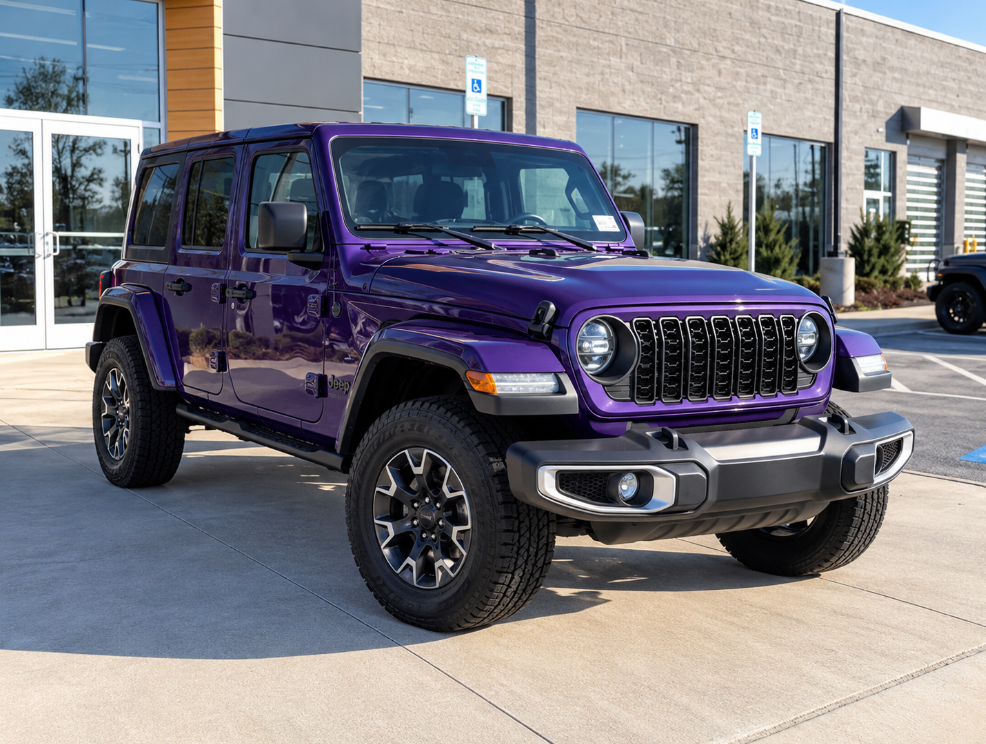
There's a genuinely interesting decision facing Mentor off-road fans right now. Jeep's first electric Trail Rated SUV, the Jeep Recon EV, is landing at dealerships in early 2026 with 650 horsepower, removable doors, and real trail credentials. It's exciting, it's fast, and it's also nearly $67,000 and in limited supply at launch. Meanwhile, the Jeep Wrangler sits on the lot today, proven over decades, starting around $50,000, ready to drive home this weekend. So do you wait for the shiny new EV, or buy the icon now? Here's the honest breakdown for Mentor drivers. Quick Answer: Wait for the Jeep Recon EV if you want cutting-edge electric power (650 hp, 3.6-second 0-60), do mostly local trails and daily driving within its roughly 250-mile range, and can spend around $67,000. Buy a Wrangler now if you want proven off-road capability, longer trips without charging stops, open-air freedom at a lower price, and something you can drive home today. For most Mentor buyers who tow, road-trip, or want value, the Wrangler is still the smarter buy right now. What Exactly Is the Jeep Recon EV The Recon is Jeep's first fully electric SUV to earn the Trail Rated badge, and it's a serious piece of kit. It launches in Moab trim at $66,995 including destination, with a dual-motor all-wheel-drive setup making 650 horsepower and 620 lb-ft of torque, enough to hit 60 mph in a startling 3.6 seconds. That's more power than the V8 Wrangler 392 ever made, and because it's electric, all that torque arrives instantly, which genuinely helps when crawling over rocks. Jeep kept the fun stuff too: removable doors, removable rear-quarter glass, a swing gate, and even an available power top. It rides on 33-inch tires with a steel underbody shield protecting the 100.5-kWh battery. The catch is range. Jeep estimates around 250 miles on a full charge, and that's before you factor in cold weather or trail use, both of which pull the number down. The Range Problem Ohio Winters Make Worse Here's where Mentor buyers need to think locally before falling for the horsepower. That 250-mile range is an ideal-conditions figure, and Northeast Ohio rarely offers ideal conditions in the months when you'd most want a capable 4x4. Cold weather is hard on every EV. In the depths of a Chardon-area winter, when temperatures sit in the teens and lake-effect snow is flying, an electric SUV can lose 20 to 30 percent of its range. That 250-mile Recon can realistically become a 175-to-200-mile Recon on a bitter January day, and running the cabin heat trims it further. Off-roading, with its constant low-speed grinding and climbing, eats range too. None of that makes the Recon bad. It makes it a vehicle you have to plan around. If your adventures are local, a day at the trails and back, and you can charge at home overnight, the Recon fits beautifully. If you're the type who points the Jeep toward Kentucky's off-road parks or the mountains for a long weekend, the charging math gets stressful fast, and that's where the Wrangler still shines. Why the Wrangler Is Still the Smart Buy for Many The Wrangler's biggest advantages are the ones the Recon can't match yet: proven history, longer legs, and a much friendlier price. It starts around $50,000 versus the Recon's $67,000, and that gap buys a lot of gas, gear, or trail upgrades. For Mentor drivers who road-trip, tow a small trailer or boat toward Lake Erie, or simply don't want to think about charging infrastructure on a spur-of-the-moment adventure, the gas or 4xe hybrid Wrangler just goes. Fill up in five minutes anywhere and keep moving. It also carries decades of proven durability and one of the strongest resale reputations in the business, while the brand-new Recon is a first-year EV with no long-term track record yet. And if you want to hedge, the Wrangler 4xe plug-in hybrid already gives you electric-only running for daily errands plus a gas engine for the long hauls, arguably the best of both worlds while the pure-electric Recon proves itself over the next few years. Who Should Wait and Who Should Buy Now It comes down to how and where you actually drive. Neither choice is wrong, they just fit different owners. Wait for the Recon if you're an early adopter who loves new tech, your off-roading stays local and within range, you charge at home, and the $67,000 price and instant electric power genuinely excite you. Being first to own an electric Trail Rated Jeep is a real draw, and for the right buyer it's worth it. Buy a Wrangler now if you want proven capability, longer road-trip range, towing flexibility, open-air freedom at a lower price, and a vehicle you can drive home this weekend without joining a waitlist. For the majority of Mentor buyers, especially those who value range, value, and versatility, that's the Wrangler, at least until the Recon builds a track record and charging gets easier. Frequently Asked Questions When does the Jeep Recon EV go on sale The Recon arrives at US dealerships in early 2026, launching first in Moab trim and in limited quantities. Availability will be tight at first, so serious buyers should get on a list early. How much does the Jeep Recon cost The launch Moab trim starts at $66,995 including destination. That's roughly $17,000 more than a base Wrangler, which starts around $50,000. How far can the Jeep Recon go on a charge Jeep estimates up to about 250 miles. Expect that to drop 20 to 30 percent in cold Ohio winters and during heavy off-road use, so plan your range accordingly. Is the Recon more capable off-road than the Wrangler It's genuinely capable, with Trail Rated credentials, 650 hp, instant torque, and removable doors. But the Wrangler has decades of proven capability and doesn't rely on charging, which matters for remote or long trips. Should I buy a Wrangler now or wait for the Recon If you road-trip, tow, want lower cost, or need to drive home today, buy the Wrangler now. If you want new electric tech, stay within range, and can charge at home, waiting for the Recon makes sense. Explore Your Jeep Options at Ken Ganley CDJR Mentor The best way to decide is to drive a Wrangler today and feel what proven Jeep capability is like, then judge whether the Recon is worth the wait for your kind of adventures. Our team can walk you through both paths honestly and help you get on the Recon list if that's your call. Visit Ken Ganley CDJR Mentor at 8505 Mentor Ave to explore the current Wrangler lineup, check new vehicle specials, and stay first in line for Recon news.

Ram ProMaster 2500: The Best Commercial Work Van for Mentor, Ohio Businesses

Ask any tradesperson in Mentor what they need from a work van and you'll hear the same three things: room to haul, a floor that won't wreck their back, and something that actually moves on a snowy February morning. The Ram ProMaster 2500 was built with that exact job description in mind, and around here, one feature in particular sets it apart from every rival on the lot. That feature is front-wheel drive, and in the Northeast Ohio snowbelt it matters more than the spec sheet lets on. Pair it with the biggest, boxiest cargo hold in the class and a load floor that sits lower to the pavement than anything else out there, and you've got a van that genuinely earns its keep for a working business in Lake County. Quick Answer The 2026 Ram ProMaster 2500 is the smart commercial work van for Mentor businesses because it's the only major full-size van with standard front-wheel drive, a real edge in snowbelt winters. Add class-leading cargo room up to 463 cubic feet, an easy-loading 21-inch load floor, and a 276-horsepower V6, and you have a van that fits nearly any trade and upfits with ease. Why Front-Wheel Drive Wins Mentor Winters Front-wheel drive is the ProMaster's quiet advantage here, because it plants the engine's weight right over the wheels doing the pulling. When rear-drive vans are spinning at a snowed-in job site, the ProMaster claws its way out. That matters more in this corner of Ohio than almost anywhere. Ken Ganley CDJR Mentor serves Lake, Cuyahoga, Geauga, and Ashtabula counties, and Geauga's county seat of Chardon is one of the snowiest spots in the state, burying crews under 100-plus inches a year while lake-effect bands drop a couple of inches in a single hour. The old joke about two-hour driveway dig-outs isn't really a joke when you're trying to start a workday. The Ford Transit and Chevy Express both drive the rear wheels, which is fine in July and white-knuckle in January. The ProMaster is the lone full-size holdout on front-wheel drive, and it adds standard Crosswind Assist to steady that tall body against the gusts rolling off Lake Erie. Add a set of proper winter tires and your crew keeps earning while the competition waits on the plow. How Much the ProMaster 2500 Can Actually Haul Plenty, and more than most people expect from a van this easy to drive. Depending on the roof height and wheelbase you choose, the ProMaster swallows up to 463 cubic feet of cargo and carries payloads in the neighborhood of 3,800 to 4,700 pounds. The spec that working owners come to love, though, isn't the headline volume, it's the load floor height. At just 21 inches off the ground, it's the lowest in the class, and when you're stepping in and out of the back a hundred times a day with boxes, fittings, or appliances, that low step is something your knees and back notice by quitting time. High-roof models let most workers stand fully upright inside, turning the cargo bay into a real mobile workshop instead of a hunched-over crawlspace. And with a 3.6-liter Pentastar V6 making around 276 horsepower through a nine-speed automatic, there's enough muscle to merge a full load onto I-90 without drama. Here's how the key numbers land across configurations: Spec ProMaster 2500 Max cargo volume Up to 463 cu ft Payload range ~3,830 to 4,680 lbs Load floor height 21 inches (lowest in class) Roof heights Low, standard, high Engine 3.6L V6, ~276 hp, 9-speed auto Which Mentor Businesses It Fits Best Just about any trade or delivery operation that lives out of its van. The ProMaster's square, near-vertical walls are the real story, because they make shelving, racks, and custom bins easy to mount and let you use every last inch. That squared-off shape is exactly what a plumber or electrician wants for organized parts storage, what an HVAC tech needs for hauling units between job sites in Painesville and Perry, and what a contractor appreciates when loading trim or pipe that runs eleven feet long. Delivery and courier routes get maximum cube for city driving, while mobile businesses like caterers, cleaners, and groomers get a clean canvas to build out. The more curved Transit can't match those flat walls as cleanly, and for fleet buyers that means more predictable upfit costs across every van you order. Ken Ganley CDJR Mentor runs a dedicated commercial operation, so it's worth browsing the commercial inventory to match a roof height and wheelbase to your trade. Honest Comparison: ProMaster vs Transit vs Express No van is perfect, so here's the straight version. The Ford Transit's real advantage over the ProMaster is available all-wheel drive, which the ProMaster simply doesn't offer. If AWD is non-negotiable for your operation, the Transit deserves a serious look, and an honest dealer will tell you so. But for most Mentor businesses, the ProMaster answers with a lower load floor, more maximum cargo volume, those upfit-friendly square walls, and standard front-wheel-drive traction that handles most snowbelt situations without paying the AWD premium. The Chevy Express, meanwhile, is the old-timer of the bunch, proven and simple, but its dated rear-drive, lower-roof design gives up too much cargo space and modern tech to keep pace. For all-around work-van value in this market, the ProMaster makes the strongest case. Frequently Asked Questions Is the Ram ProMaster front-wheel or rear-wheel drive? It's front-wheel drive, the only major full-size work van built that way. Putting the engine's weight over the drive wheels gives it a genuine traction edge in Mentor's snowbelt winters. How much can the ProMaster 2500 carry? Depending on configuration, payload runs roughly 3,830 to 4,680 pounds, with cargo volume reaching up to 463 cubic feet in the high-roof, long-wheelbase setup. Can you stand up inside the ProMaster? Yes. High-roof models offer more than six feet of interior standing height, so most workers can move around fully upright while they work. Is the ProMaster good for upfitting shelving and racks? It's one of the best in the class for it. The square, near-vertical cargo walls and low floor make mounting shelving, bins, and custom storage straightforward. What engine does the 2026 ProMaster have? A 3.6-liter Pentastar V6 making around 276 horsepower, paired with a smooth nine-speed automatic transmission. Ready to Put a ProMaster to Work in Mentor Your business runs on uptime, and the ProMaster 2500 is built to deliver it load after load, winter after winter. Whether you need a single van or a whole fleet, the right roof height, wheelbase, and upfit are waiting to be spec'd around your trade, backed by a dealership that moved into a larger, state-of-the-art Mentor facility in 2024 specifically to serve customers better. Stop by Ken Ganley CDJR Mentor at 8505 Mentor Ave, Mentor, OH 44060 to talk configurations, upfits, and commercial financing with a team that genuinely understands work vehicles. Call 440-709-8571 or come see the commercial inventory in person.

2026 Dodge Charger vs Challenger: Which Muscle Car Is Right for Mentor Ohio Drivers

If you're a Mentor driver cross-shopping the 2026 Dodge Charger against the Challenger, there's one big thing you need to know before you go any further: there is no 2026 Dodge Challenger. Dodge ended Challenger production back in December 2023. The nameplate is gone from the new-car lineup entirely. So the real question isn't "which one," it's whether the 2026 Dodge Charger can deliver everything Mentor muscle fans loved about the Challenger. Good news: it just might. Quick Answer There is no 2026 Challenger, its production ended in 2023. The new 2026 Dodge Charger now covers both roles, offered as a two-door coupe (filling the Challenger's shoes) and a four-door sedan. It brings a 420-to-670-hp twin-turbo SIXPACK engine, standard all-wheel drive with a rear-wheel-drive burnout mode, and it was named 2026 North American Car of the Year. For Mentor buyers, it's the new muscle car, while the Challenger lives on only as a used buy. Is There Actually a 2026 Dodge Challenger No. Dodge stopped building the Challenger after the 2023 model year, closing the book on the V8 era with seven "Last Call" special editions. If you want a Challenger today, you're shopping the used market, and that's a perfectly good option we'll cover below. Here's what Dodge did instead of building a new Challenger: Redesigned the Charger to cover both body styles Added a two-door coupe that directly replaces the Challenger Kept the four-door sedan for buyers who want practicality Offered both gas SIXPACK and electric Daytona versions In other words, the Charger nameplate absorbed the Challenger. The two-door Charger coupe is, for all practical purposes, the Challenger's successor with a different badge on the trunk. What Does the 2026 Charger Offer That the Challenger Didn't Plenty. The new Charger brings more power, standard all-wheel drive, and modern tech the aging Challenger never had, while still delivering real muscle-car attitude. At the heart of the gas models is the 3.0-liter twin-turbo SIXPACK straight-six: Charger R/T: up to 420 horsepower and 468 lb-ft of torque Charger Scat Pack: up to 550 horsepower Daytona Scat Pack (electric): up to 670 horsepower For comparison, the old 2023 Challenger R/T used a 5.7-liter V8 making 372 horsepower and 400 lb-ft, and it didn't offer all-wheel drive at all. The new Charger R/T beats it on both power and traction. That standard all-wheel drive is a genuine game-changer for Mentor drivers. The old rear-wheel-drive Challenger could be a white-knuckle handful when the Lake Erie snowbelt dumped lake-effect snow on the roads. The new Charger sends power to all four wheels for winter confidence, then lets you switch to 100 percent rear-wheel drive at the push of a button when you want smoky burnouts on a dry summer day. Best of both worlds. Coupe or Sedan: Which Charger Body Style Fits Mentor Drivers Both. The 2026 Charger comes as a two-door coupe for purists and a four-door sedan for those who need everyday practicality, and both pack the same muscle. Here's how the two configurations stack up: Feature Charger Coupe (2-Door) Charger Sedan (4-Door) Best for Classic muscle-car feel Families, daily practicality Replaces The Challenger coupe The old Charger sedan Rear-seat access Tighter Easy, four doors Cargo Liftback design Liftback, ~37 cu ft behind row 1 Attitude Retro coupe silhouette Widebody performance sedan The Charger is significantly larger than before, roughly 207 inches long, so even the coupe is a substantial car. The rear liftback design (instead of a traditional trunk) gives you a wide opening and around 37 cubic feet of cargo space behind the first row, making this a muscle car you can genuinely use as a daily driver for Costco runs and road trips to Cleveland. For a Mentor buyer who wants that classic two-door Challenger silhouette, the Charger coupe is your answer. For someone hauling kids and gear, the four-door sedan delivers the same power with real usability. Should You Buy a New Charger or a Used Challenger in Mentor It depends on what you value. Buy the new Charger for modern power, all-wheel-drive winter capability, and a factory warranty. Buy a used Challenger if you specifically want that V8 rumble and a lower entry price. Choose the 2026 Charger if you want: Standard all-wheel drive for Ohio winters More horsepower across the board Modern tech, safety, and a new-car warranty A choice of coupe or sedan body styles Consider a used Challenger if you want: A naturally aspirated V8 soundtrack Lower upfront cost The classic 2008-to-2023 coupe styling If the used route appeals to you, it's worth browsing certified pre-owned options, which come inspected and warrantied rather than sold as-is. That takes some of the risk out of buying an older performance car. Frequently Asked Questions Is there a 2026 Dodge Challenger? No. Challenger production ended after the 2023 model year. The 2026 Charger, available as a coupe and sedan, has taken its place in Dodge's lineup. Does the 2026 Charger come as a two-door like the Challenger? Yes. The Charger is offered in both a two-door coupe and a four-door sedan. The coupe directly fills the role the Challenger left behind. How much horsepower does the 2026 Charger have? The gas SIXPACK models make 420 to 550 horsepower, while the electric Daytona Scat Pack produces up to 670 horsepower. Does the 2026 Charger have all-wheel drive? Yes, standard. It can also switch to 100 percent rear-wheel drive on demand for burnouts, a big advantage over the old rear-drive-only Challenger in Ohio winters. Can I still buy a Challenger in Mentor? Only used. Since production ended in 2023, Challengers are available on the pre-owned market, including certified pre-owned examples with added warranty coverage. Ready to Experience the New Muscle in Mentor The Challenger's legend lives on, but the future of Dodge muscle is the 2026 Charger, and it's genuinely worth a test drive. Whether you want the two-door coupe's attitude or the four-door sedan's practicality, there's a Charger built for you. Check the latest Dodge specials and see what's on the floor now. Visit Kenganley Mentor CDJR at 8505 Mentor Avenue in Mentor to take one for a spin and feel the SIXPACK power for yourself.